
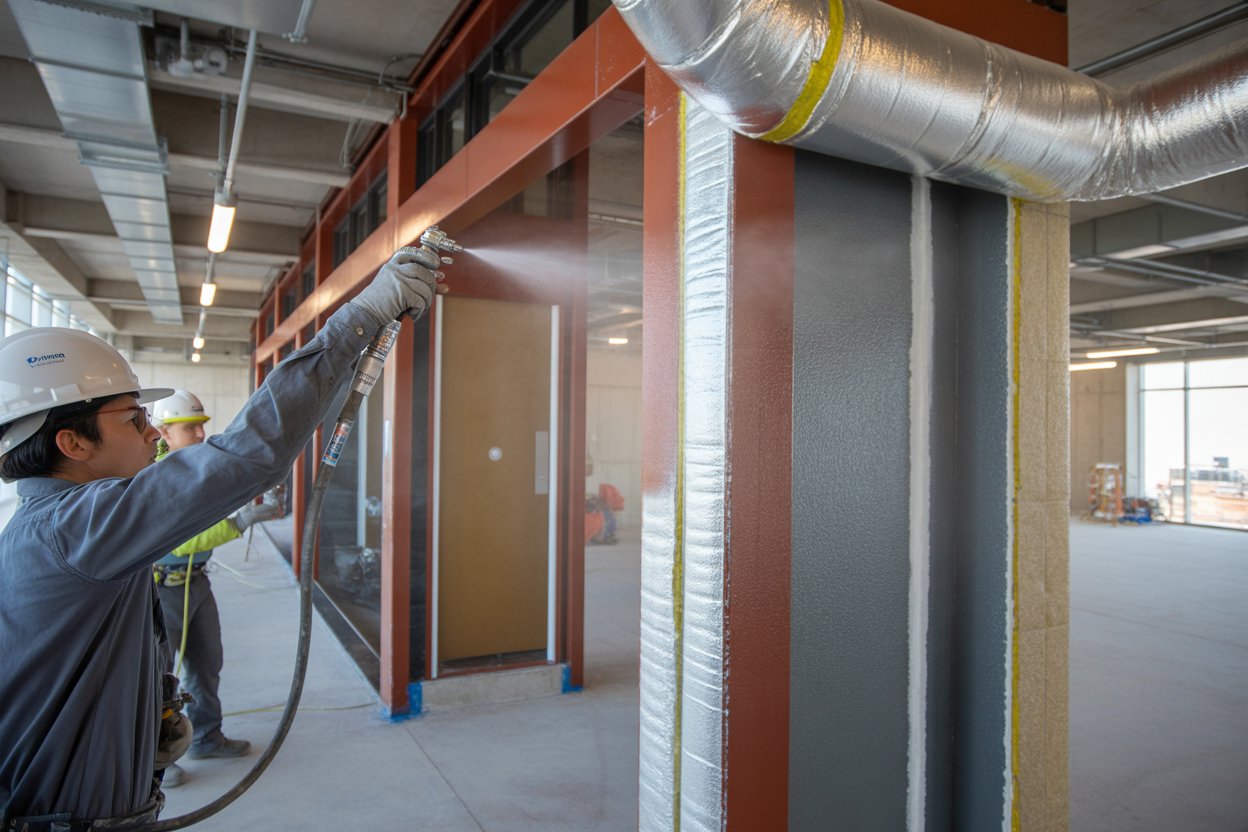
Fire safety in any property starts long before an alarm sounds. The very heart of a resilient structure is its passive fire protection-a built-in system designed to slow flames and smoke to afford people the time needed to escape. For many UK property owners, structural fire safety features are installed and maintained by a professional such as CA Fire Protection Ltd.
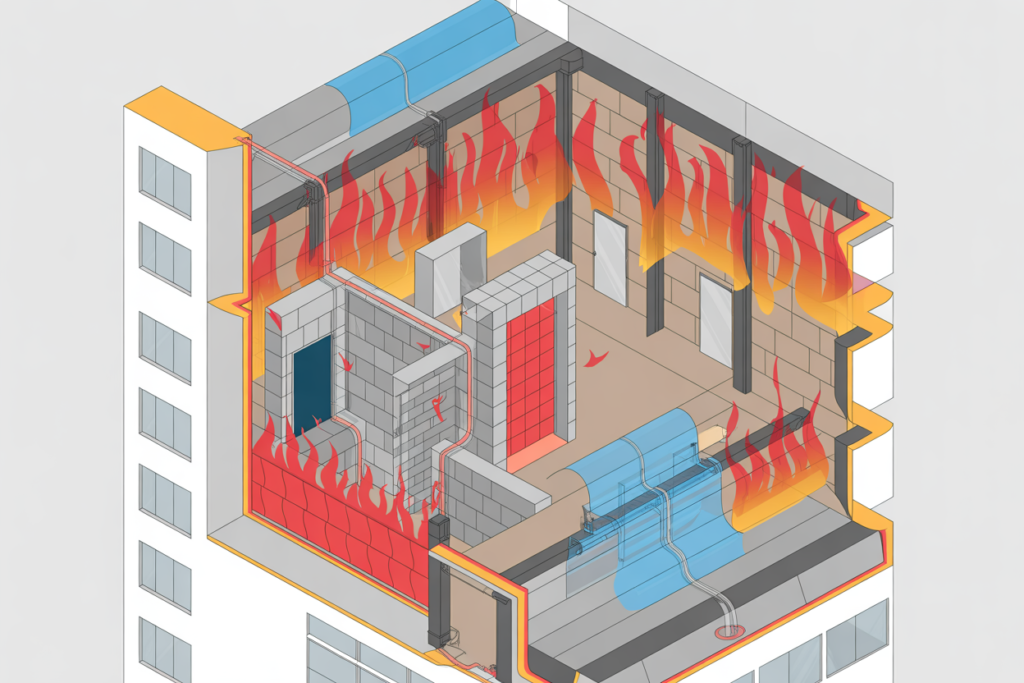
The passive measures work behind the scenes and remain effective for the entire life of a building. They are designed to contain fire, protect escape routes, and prevent structural collapse, making them an important element in both commercial and residential safety.
Key Takeaways
- Passive fire protection will reinforce the structural components of a building, thereby impeding the fire and smoke to a limited extent.
- It plays a crucial role in safeguarding both residential and commercial spaces by protecting escape routes and supporting safe evacuation.
- Passive systems reduce damage, minimise downtime, and help property owners meet essential UK fire safety regulations.
- Regular inspections and well-documented maintenance are vital to keeping systems effective, especially in complex properties.
- Working with experienced providers such as CA Fire Protection Ltd ensures proper installation, assessment, and long-term reliability.
Understanding the Role of Passive Fire Protection Systems UK
Structural fire protection systems in the UK take centre stage in building regulations across the country due to their ability to determine a property’s resistance against heat and smoke. These systems create a stable environment when integrated during construction or refurbishment, even amidst extreme conditions.
Common examples of structural fire safety include fire-resisting walls, floors, and ceilings, structural protection, and fire-stopping around cables or pipework. For any business or landlord, these measures support compliance, safety, and risk reduction over the long term.
That’s why passive fire protection systems UK form one of the key necessities for office developments right through to residential blocks and public buildings.
How Passive Fire Protection Works in Real-World Settings
Understanding how passive fire protection works helps owners appreciate why it is so effective.
1. Compartmentation
This method of fire-rated barriers is to divide a building into sections so that flames and smoke remain contained for as long as possible. This principle is very important in commercial building fire safety, where safe evacuation is critical.
2. Fire-Stopping and Sealing
Any opening around pipes, ducts, or cables can serve as a means of passage for fire. Specialised fire-stopping materials seal these openings and maintain the integrity of the barrier.
3. Structural Protection
Steel weakens rapidly in heat. Fire-resistant coatings and boards prevent collapse, supporting evacuation and emergency services.
4. Smoke Control
Smoke will travel faster than flames. Properly installed passive systems make stairwells, corridors, and escape routes safer for a longer period of time.
5. Residential Protection
There are still lots of people who undervalue the importance of structural fire protection in the house; however, without fire doors, loft fire barriers, and protected means of escape, it is crucial in order to avoid domestic tragedies. Cooperating with professionals of CA Fire Protection Ltd will help homeowners and landlords in keeping safety and compliance.
The Key Benefits of Passive Fire Protection
The advantages of structural fire safety make it indispensable for both homes and commercial sites.
1. Life Safety
The slowing of the fire spread allows extra precious minutes for occupants to evacuate safely.
2. Reduced Property Damage
Thus, fires that break out in smaller areas can be brought under control much more easily and are less destructive.
3. Lower Business Disruption
Commercial sites recover more quickly when structural damage is minimised. This is a very important aspect of commercial building fire safety.
4. Strong Compliance Support
The UK regulations have requirements for adequate fire resistance. Passive Fire Protection Services supported regular inspections and documentation to maintain buildings in compliance.
5. Long-Term Cost Efficiency
In addition, many passive systems require little continuing maintenance once installed and thus have lower whole-life costs than associated complex active systems.
Because of these advantages, businesses and homeowners increasingly turn to companies such as CA Fire Protection Ltd for assessments, installation, and remedial works that strengthen long-term building safety.
Structural Fire Protection in Commercial Buildings
Without implementing passive fire safety measures in offices, warehouses, hospitals, or schools, the risk of fire is much higher. Compartmentation, as well as structural fire protection and fire-stopping, are the foundation of modern-day commercial fire safety in buildings. Employers are legally responsible for ensuring the safety of their occupants. These systems of structural protection ensure safe evacuation and less financial losses.
Many organisations rely on the Passive Fire Protection services to keep their installation performance at the required standard through inspection, repairing the components that are damaged, and thus maintaining full compliance. With complex building layouts, professional guidance prevents small weaknesses from becoming major hazards.
This is why many businesses continue to work with CA Fire Protection Ltd, whose expertise ensures these systems perform exactly as intended.
Passive Fire Protection for Homes
These protective features are not only for commercial buildings but also for domestic ones. Modern construction standards also require fire-resistant doors, protected staircases, and sealed cavities so that the fire will not spread from one room or floor to another. Investing in passive fire protection for homes is a good idea for both landlords and homeowners because it increases safety and helps meet legal obligations.
Understanding how passive fire protection works will give power to the residents to decide rightly when doing renovations or inspections, thereby ensuring that no structural compromise goes unnoticed.
A Quick Wrap-Up for Smarter Fire Protection
As the design changes in today’s buildings, providing adequate protection for building occupants is an ever-increasing priority. Passive fire protection is the weapon every building has in its arsenal. It not only does the work of the fire by dividing walls and closing up little holes, but it also does the work of the fire by reinforcing the very framework that saves us. Working with CA Fire Protection Ltd, property owners can comply with regulations, enhance safety, and maintain tranquillity of mind for a long time.
Frequently Asked Questions
Active systems respond when a fire starts, while passive systems are built into the structure to limit spread from the outset.
Most buildings require annual inspections; high-risk properties may need more frequent assessments.
Yes. Fire doors, sealed service penetrations, and protected escape routes significantly reduce risk in domestic settings.
They contain fire, protect escape routes, and minimise structural damage, reducing business downtime.
The services provided by such experienced specialists as CA Fire Protection Ltd include inspections, installations, and remedial works.